How does this graduate program stand out compared to others in its field?
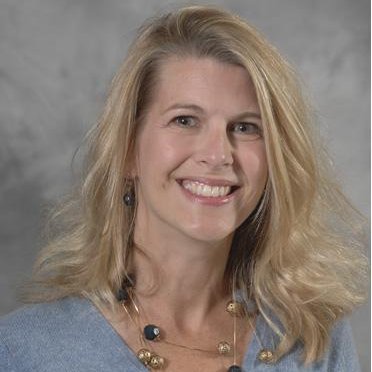 Our MBA programs transform lives. The Executive MBA in particular has helped working professionals turn their high-potential into high performance for over 60 years and we continue to adapt the program to ensure strong outcomes. From its inception, the program was designed to maximize value in a convenient format. A combination of flexibility and people being able to apply what they’ve learned is probably the most critical thing that we need to be doing now and into the future. There are new graduate programs created all the time, which means tons of options and a one size fits all approach is just not going to work. People have choices inside graduate education, but they also have choices outside of it. I was talking to a Chief Learning Officer recently who said they’re primarily investing in skill-based learning that’s connected with their business needs. That may or may not mean going to get a graduate degree. It could mean going to get a non-credit certificate or learning something on Khan Academy. I feel like it’s really important for us to be able to think very intentionally about outcomes and structure. Our executive MBA today is cohort-based and everybody starts together. They take the same set of classes and graduate together in 20 months. Many people appreciate that because they trust that we understand what they need. They have a lot of other things going on in their life and they don’t have the time or the energy to figure out when to enroll and where to get their books or which classes to take. We take care of all of that for them. We design and sequence their academic plan. We enroll them and give them their books and they focus on learning and networking.
What are some recent initiatives or developments within the MBA and Executive MBA programs that you’re particularly proud of?
In the midst of COVID, we created and started offering a hybrid program that was a mix of online and one weekend per month. We knew that during the pandemic we would be going fully online just as everyone else did. We decided to take advantage of that opportunity and create something that was sustainable in the long run, so we built a program that is essentially about 45% online. Students and faculty still have face-to-face classes and meals, with the ability to network and really get to know each other on the class weekends when they’re onsite. But they also have the benefit of having an online experience, which gives more flexibility and allows us to have a broader reach. We had a guy who flew in once a month for that hybrid program out of Peru. We also had someone who came up from Florida that works at Disney as part of our program. It’s really been an opportunity to broaden and expand access to MSU and to our program in some cool ways. It’s been working well for a couple of years, but we’re also always looking for ways to modify and add new value to the program. Our EXL project course is a great example. We started it as a voluntary extra-curricular option. There was great interest, but students couldn’t squeeze it in with their limited spare time, and they needed more structure. We took this input and built an elective course option which we’ve evolved every year since then. Now all students take the class which leverages a design thinking approach. We partner students with for-profit corporations, start-ups, and non-profits and the student teams help organizations use the design thinking framework, asking questions like, “how might we use language to solve some of their major problems they’re facing in their organization? This year we had two teams working with the State of Michigan on an initiative about supply chains for small farmers and how to get their products to market. We did another last year focused on how to improve issues related to K-12 school lunch programs. It’s just a really cool way to take these experienced students, who have perspectives from a lot of different roles, and apply that through what they’re learning in their program to help solve real problems in our world.
I think that’s a key benefit with a lot of MSU programs. It’s what is special about what we do. Spartan’s are smart. They are talented. They roll up their sleeves and they get stuff done. They work well with others and can be really collaborative. I feel like that humble excellence is something that is true about our programs and most programs in Michigan State.
What advice would you give to future business leaders or MBA students who are interested in making meaningful impacts in their careers?
The first thing I always hope people will do is stay curious; understand that there’s always something more than you can learn or know. The other thing that my team and I have started doing is leveraging a design thinking approach. When you come into a situation, problem, or opportunity, ask, how might we go about doing this? So really opening the net of ‘we can’t do it’ or ‘we shouldn’t do it’ to, but how could we? How might we be able to figure out a way to make this happen? Having an open-minded enough approach to say, let’s find a way, is really important. We’re also always looking to add value and relevance to our programs.
What excites you most about the future of graduate management, both at MSU and the industry at large?
What I am most excited about is that there’s a lot of opportunity to layer and stack learning. It’s the idea that you can start adding to your knowledge and credentials with something small. If you’re not sure if you can do a full degree you can start with a certificate. That can empower you to say I can do this, and I learned a lot, so now how do I build that into a full degree? Or what options do I have to add to continue learning with a certificate after I’ve completed a degree. There’s much more potential to build knowledge pathways that meet learners where they are. And this also gives students the ability to collaborate across programs and customize their learning. I think graduate management education specifically can make a major impact on people’s lives. I have so many examples of people that say, ‘I’m in this role and I wouldn’t be here if it wasn’t for my degree’. It feels great that people are learning and leveraging the program in ways that help them to do well in their careers and ultimately make the world a better place.