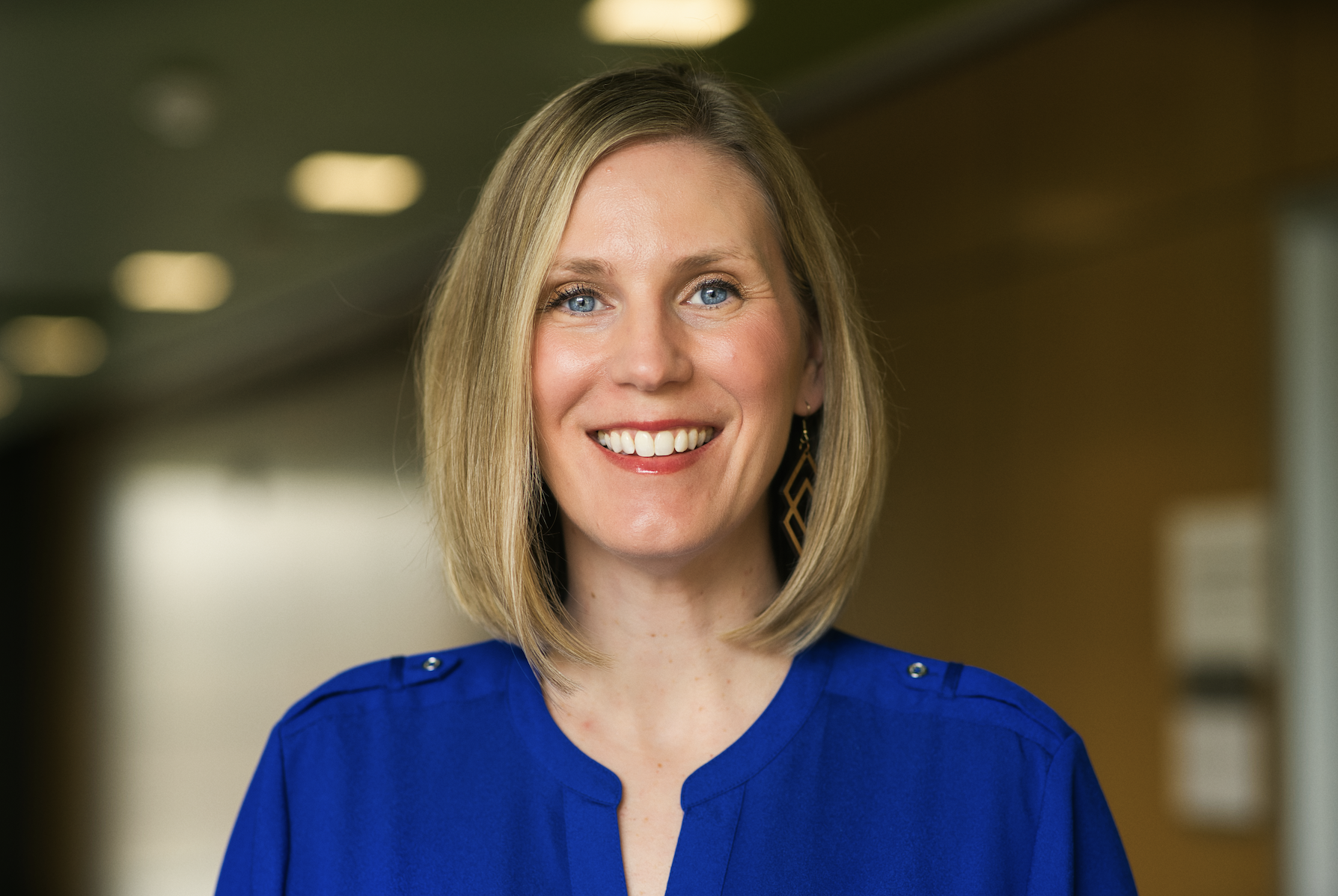
 What is your current position?
I am the Director of the Nonprofit Leadership Online Masters and Graduate Certificate Programs.
What inspired you to pursue a career in academia?
I have worked at MSU since 2010 holding a variety of roles on campus, largely focused on international research, individual and organizational strengthening, and higher education collaboration. I was able to take a mid-career pause and pursue a doctoral degree at MSU in higher education administration. I recently joined the Department of Religious Studies working to help launch our new online graduate programs. I think my area of expertise is well suited for these online programs. I like to say that this is the Master’s degree I wish I had before entering the nonprofit sector, having spent 20 years working with domestic and international nonprofits.
Can you give an elevator pitch for the Nonprofit Leadership Online Master’s and Graduate Certificate Programs?
Our Nonprofit Leadership Online Programs are targeted towards working professionals. However, if you’re looking for a traditional Master’s program this is also a good fit for you. We have people in our programs who are seasoned nonprofit professionals and we have folks in our programs who are just entering the nonprofit field. We are training the next generation and current workforce of nonprofit leaders. We have classes that focus on building cultural competencies and understanding how global religions help create social change and strengthen communities. We also have coursework that helps build technical skill sets such as grant writing, project management, monitoring, evaluation, and learning, and understanding nonprofit governance. Essentially, we have a suite of courses that students can engage with and bring technical expertise directly to the nonprofit sector.
Can you describe some of the unique skill sets that students would gain from the Nonprofit Leadership Online Master’s and Graduate Certificate Programs?
I think what’s unique about our program is that we allow the students to basically choose their path. If they feel like they need more understanding of global cultural knowledge, then they can take courses focused on that. If they need more of a technical skill set, they can take a grant writing or project management course. It’s based on the career trajectory of the individual student and our flexible curriculum allows a more tailored approach to the Master’s and Graduate Certificate.
You have experience with adult curriculum development in multiple countries. What are the key components to creating an effective and adaptable curriculum across different cultures?
It’s really understanding the learning objectives for each course and making sure that the readings, videos, and assignments all lead to fulfilling those learning objectives. I also think it’s important to get feedback from students on their experience with the course and be open to change based upon student feedback. And then finally, I think just making sure that our courses are accessible to everyone is also really important, which is why the five week online and asynchronous course is a great model for us. If you work full-time, are a caregiver or have a different work schedule then our programs might be a good fit for you.
What excites you most about teaching university courses at MSU, particularly with adult learners?
Adult learners all bring their own experiences to the programs. Since networking is a critical component of our program, they are able to share their work and life experiences with faculty and other students. Faculty are constantly learning from our students, and the students are learning from the faculty. I love the collaboration that can come with adult learners, which sometimes may not be possible with students who are just coming out of high school.
How do you see your program making up for barriers to community building within online classes?
Engagement and networking is incredibly important in our programs. Even though we’re online and asynchronous, students have access to our faculty weekly. They go to office hours, or set up meetings with our faculty. The faculty are very hands-on in our program. Students will also collaborate with other students, whether it’s through peer feedback or discussion posts. So the way that we’ve created our programs is that they are very interactive. In addition, I set up networking opportunities throughout the semester, where people can join via Zoom and meet each other to talk about different topics of interest. We also have on-campus networking activities for people who are able to attend those. I think it’s important to have a diverse set of engagement opportunities and touchpoints to help facilitate networking between our students and faculty.